The Vast and Patient Sky
Little Mouse
Incoherence
Inferno
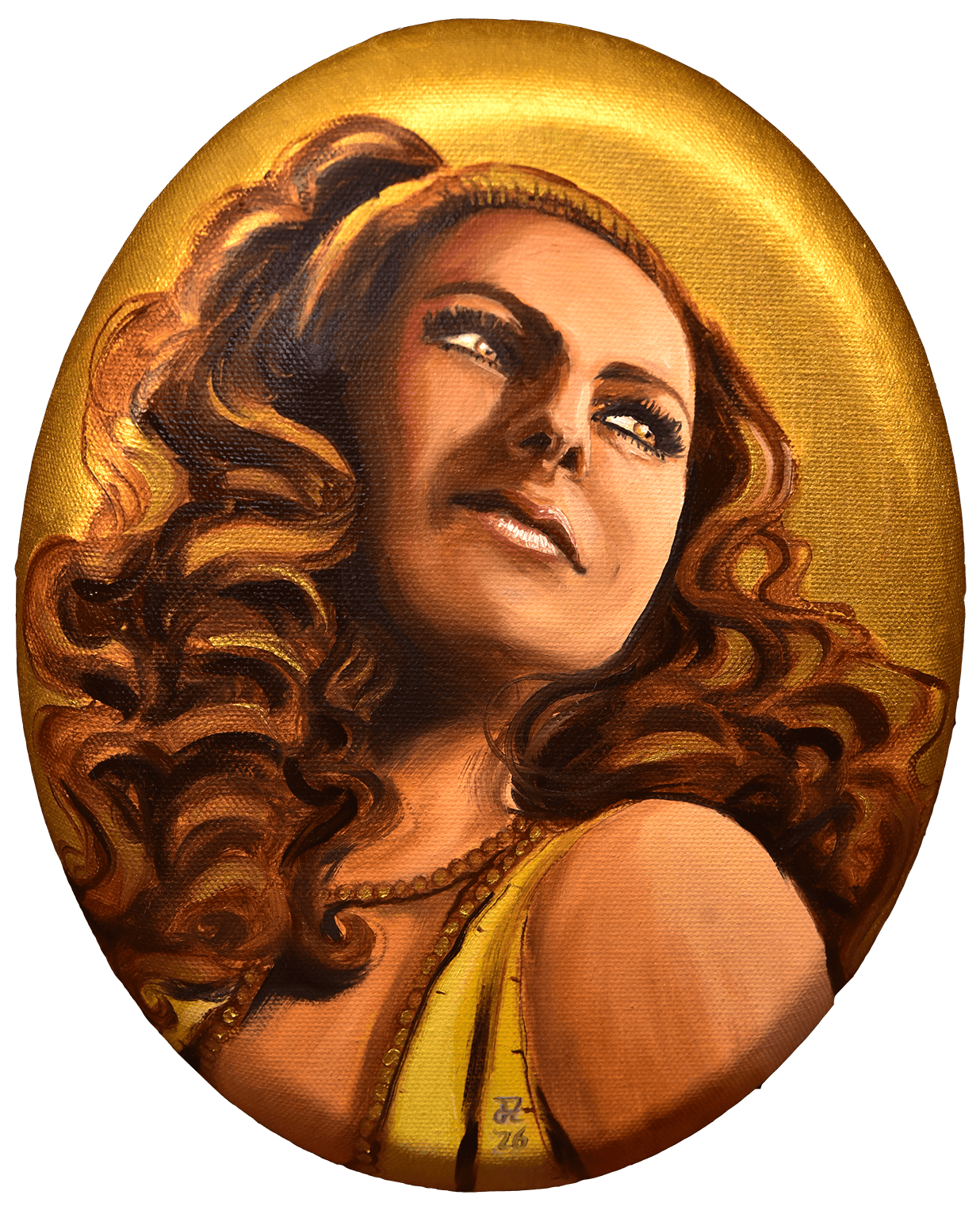
It’s pretty easy for me to pinpoint the general time of events from my childhood, because my early years are divided into eras of my mother. My father, unfortunately, was constant, but Keti appeared like a flamed match: bright and flashy and fascinating, burning the shape of her energy into my eyes, only to painfully fade once my fingers reached her.
Eras of time are defined by whether she was in my life or out of it, and who she was when she was there. Though not always on the side of good, she was always a force, and always the centre of my universe. Other adults started out as large hazy shapes juxtaposed against the small defined shape of myself, but Keti was in full technicolour and stereo, and memorable to every sense I had.
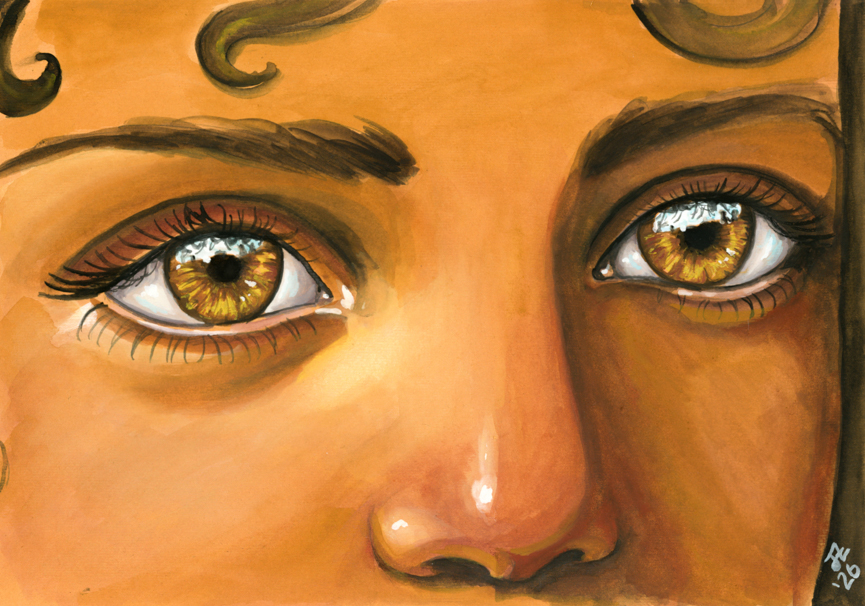
She looked like she’d been cast from gold, carrying ochres in her skin and sunlight in her eyes that were stark against the cool grey dreariness of Northern England. Keti stood out as eternal summer, in flowing layers of warm fabrics and bounding coils of coarse dark hair; and the sound of her was as jarring as her luminosity, only ranging from loud to shrill. Hearty laughter or bursts of rolled ‘r’s and heavy vowels always clattered against the citrus scent of her, hanging heavy in the air with a slick oil and cream taste. The sharp touch of her had an aura of metal that matched her crashes of upset, the jaggedness of her fingertips, and the taste an embrace would bring. My mother was nothing like the rain, nothing like the bricks, nothing like the moors.
Memories from my very early youth, before I was about four, are all stringy dreams and greyscale nightmares. I can see a lot of shadows when I concentrate on it, some soft and familiar and others much more like an ice pick, but I don’t ever recall my mother. I used to think that I did, because I could always vaguely recall the feeling of sunshine glowing on my outstretched arms, and I knew that wasn’t a memory of England, so what else could it have been?
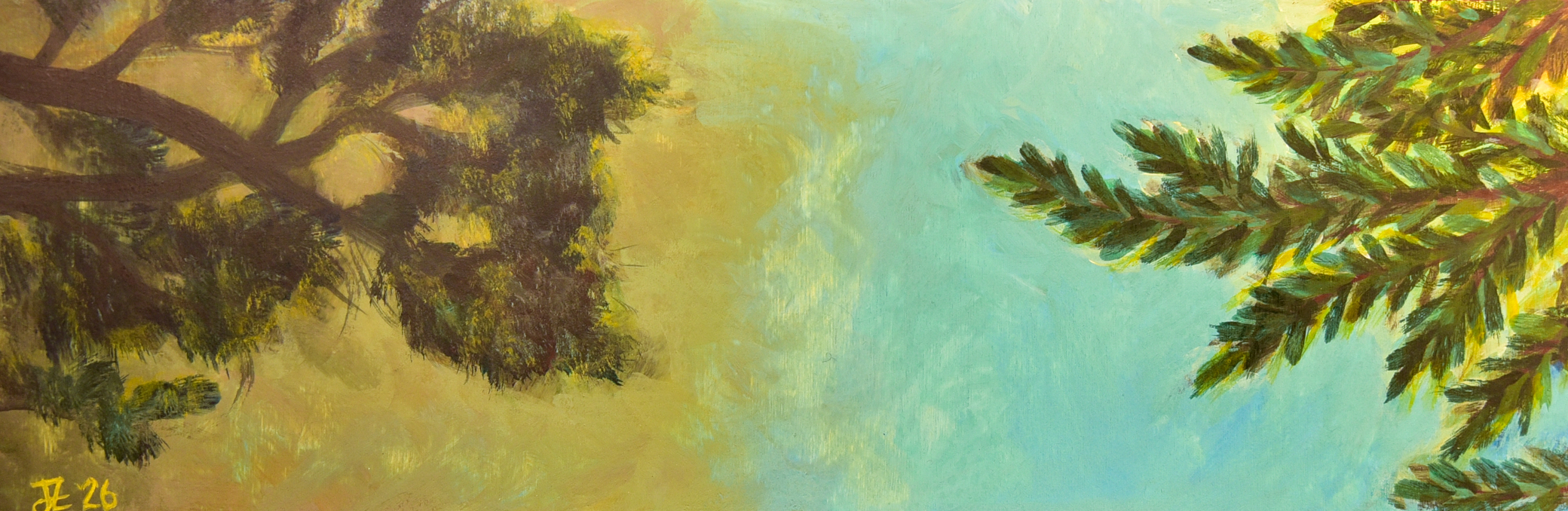
My earliest solid moment, which isn’t a haze or a burst of metaphor for my mother, is a memory of lying on the ground, in awe of the impossible size of the vast and patient sky. I think it must be when I realised what it is to be alive, because I can remember the fear that I felt at the thought of endlessness. I didn’t want to be small by comparison to the sky, because I didn’t want to get swallowed. But, the longer I stared up at the edges of the trees, watching them bleed in tendrils against the white sky, the more patience I felt. There were so many things to see, so many variations of light and shadow in the slow drifting clouds, and the sky didn’t rush me to look at it more quickly. “There’s time to understand,” it told me, and colour and light became all that calmed me in the unpredictable world.
Exploring the vastness of infinity was something that I did often, and a huge chunk of my short life was spent staring upwards. Maybe the frequency is why I can remember it so clearly, maybe I’m making a mosaic of many experiences. But I know I can pick out at least one of those afternoons in detail.
I grew up on my father’s large estate in Alderley Edge, Cheshire. Until I was about eight years old, I went outside that property so rarely that I thought most of planet earth resided within the wrought iron and futurist curves of The Glass Hollow. Even once I learnt that the world was larger than what Brigg Jones could buy with his wealth, that house and those grounds still felt inescapable. It was where I always ended up, no matter how far I thought I had run from it, and it became the god of my sorrow before long. At least when it was all that I knew, though, I found pockets of happiness inside the cage.
Brigg named the place as though it was his only child, and had “Glass Hollow” plastered on the gates, the front of the house, and even on stationery. He never referred to that home as anything else in all the years I knew him, not even simply as ‘home,’ which I can’t argue about since there was no sanctuary in that place, only unfeeling marble, glass, and chrome.
He’d had other choices for the name of the place. I know that because Keti lamented for years that it should have been named for Arcadia or after the strange crescent curvature of the architecture. She said naming it for glass made it seem fragile, when it should have been a fortified paradise.
But, the floor-to-ceiling tinted glass panel walls and sliding glass doors and crystal furniture were definitely the theme of the house. Brigg had built an observatory of sorts, where he could peer in paranoia out into the glare of his security lights, and the clouds, trees, and rain could peer right back at him. It was the only house I could recall living in, and so to me the design was normal, but I have never since seen another place so dedicated to glass. Even a decade later, when Brigg would remodel The Glass Hollow and replace half the windows with solid walls and wood panelling, it retained its crystalline name.
I didn’t like looking out the windows very much, though I wanted to be on the other side of the glass, with all the pretty pieces of nature. It was out in the massive landscaped gardens where I would do most of my communing with The Above, between bushes of Belladonna and clusters of Hyacinth. The garden was mostly comprised of deadly beauties, because both of my parents had an obsession with the concepts therein, but I had no idea I was idly pulling at death while I laid back in the grass. I know that the gardeners were the ones who would stop me from eating the plants, though, rather than Keti or Brigg.
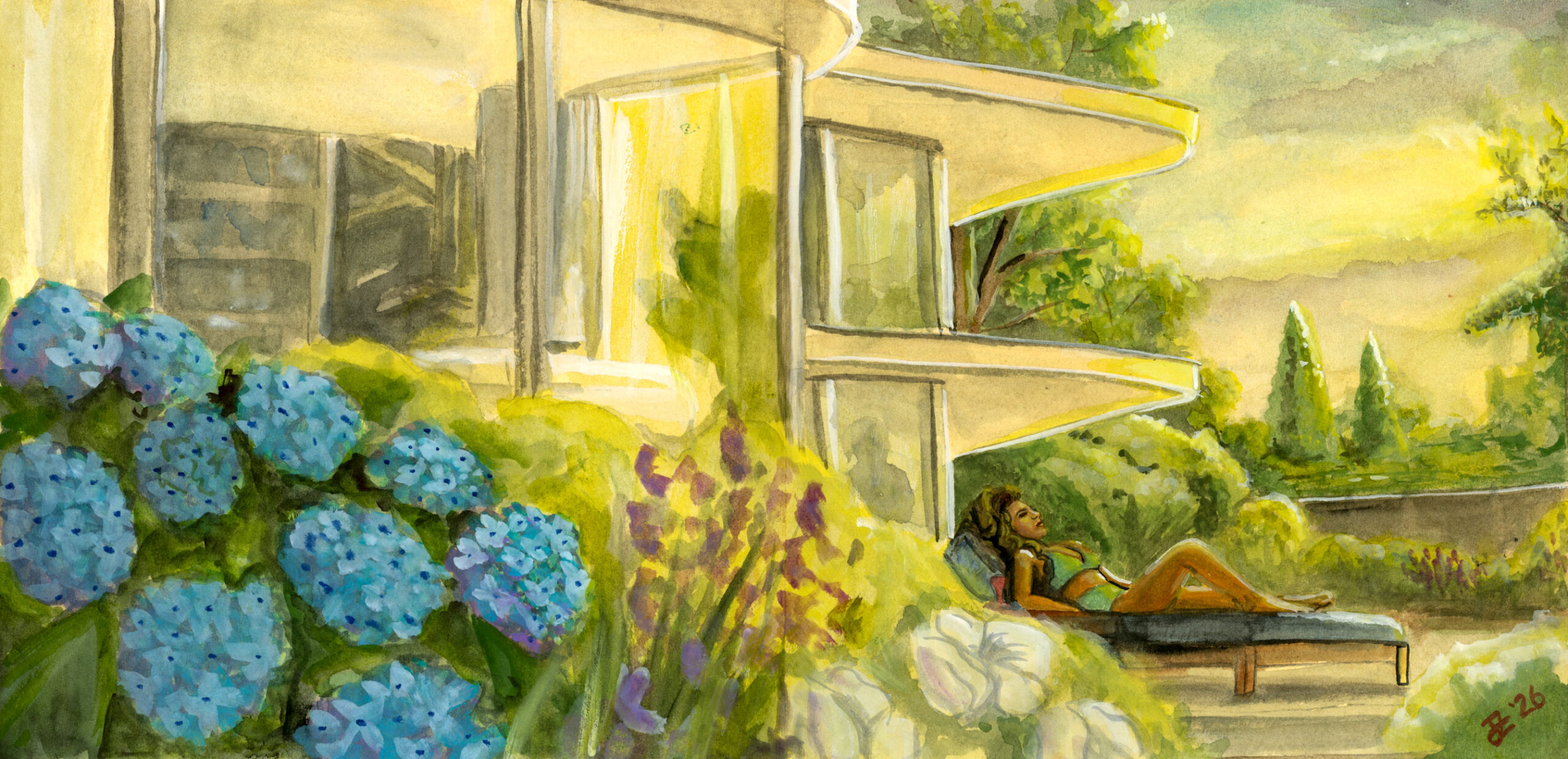
On the day that I recall, Keti was lounging nearby in a bathing suit, even though the sun was so absent it might as well have been fictional. She was laughing and talking with the kind gardeners, two brothers from France who tended the grounds with more care and love than I had ever seen given to a person on those grounds. They were speaking French to each other, which was the language that I spoke with my mother as well. I didn’t know that I spoke French, I only knew that I couldn’t understand the tall man Keti called my “papa,” and that I wished I could understand him so I’d know why he was so angry all the time. I could talk to Gaspard and Julien, though, and they would tell me all about the plants. All my floral vocabulary remained French for a long time.
Keti and the Bardot brothers are not the stars of the memory, though, they only orient me in a time and place. All the clues tell me that I had to be around three years old as this moment was setting in. The flowers were fully in bloom, but the brothers were digging big holes to plant new things, so it had to be summer of 1963, a few months before my fourth birthday, and very shortly after we’d moved into that brand new house. I was always hearing about how new it was and how special the “futurist design” was, but I never could figure out where we had lived before The Glass Hollow. It seemed to me that it had always been.
The basking beneath nimbus was the same that day as any before it, the thing that stands out is what happened after I was called away.